
Helpful Information to Support Your Skin Health
Our resources are designed to support — not replace — personalised medical advice. If you have specific concerns, our team is always happy to help.
Helpful and verified dermatology information

Understanding Skin Cancer
Skin cancer is very common in New Zealand, but early detection significantly improves outcomes. Regular skin checks are especially important for those with a history of skin cancer, multiple moles, or increased sun exposure. Sun exposure which emits UV radiation, is a significant risk factor for developing skin cancer.
There are different types of skin cancer including most commonly , basal cell carcinoma, squamous cell carcinoma, melanoma, and less common cancers such as Merkel cell and sebaceous carcinoma. Having the most thorough skin cancer screen available gives each patient the best chance of detecting these cancers in their earliest stages.
Reducing your risk of skin cancer
Sun exposure is the highest risk factor for developing skin cancer in most people. The sun emits UV radiation and the levels of radiation from the sun are always changing. In New Zealand, UV radiation is damaging from September to April between 10am - 4pm.
There are five easy steps to be SunSmart:
1.Slip on clothing
Slip on clothing that covers as much skin as possible.
2.Slip into shade
Slip into the shade of a leafy tree, gazebo, building or shade sail.
3.Slop on sunscreen
Slop on plenty of broad-spectrum, water-resistant sunscreen of at least SPF 30. An average-sized adult needs a teaspoon of sunscreen for their head and neck, each limb and for the front and the back of the body. Reapply every two hours.
4.Slap on a hat
Slap on a hat with a wide brim or with flaps covering the ears and neck.
5.Wrap on sunglasses
Wrap on close fitting, wrap around style sunglasses that conform to the AS/NZ/067:2016 sunglasses standard.
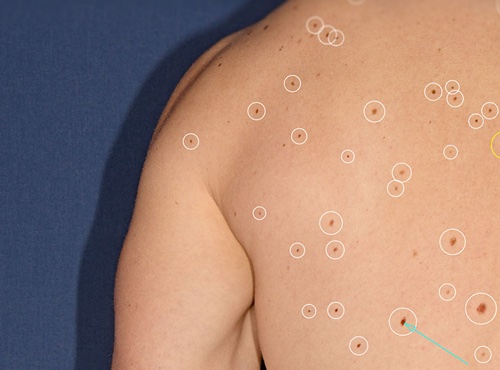
AI-Assisted Skin Checks
AI-assisted mole mapping uses advanced imaging to create a detailed visual record of your skin. Over time, this allows subtle changes to be identified and reviewed by trained clinicians.
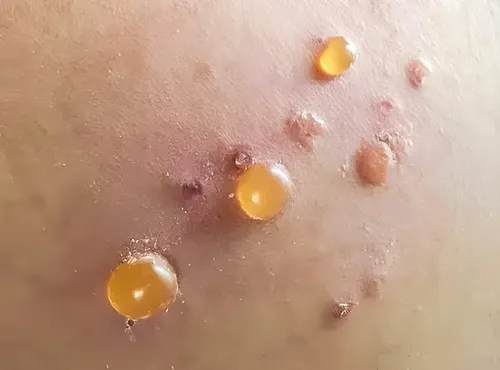
Medical Dermatology
Medical dermatology encompasses all skin rashes and hair and nail disorders. We commonly treat conditions such as acne, eczema and dermatitis, psoriasis, bullous diseases, lupus erythematosus and hair loss.
The British Association of Dermatologists provides an extensive list of patient information leaflets on the most common skin diseases.
Click on the arrow below to access this information.
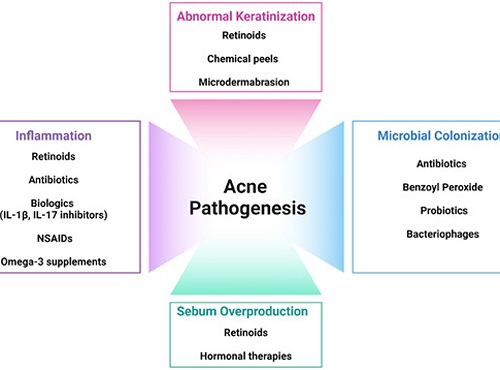
Acne
Acne is a chronic inflammatory skin condition. While acne is most common in
adolescents, acne can affect people of all ages and all races.
What causes acne?
There are four pillars involved in the development of acne.
These are;
1. Follicular plugging and hyperkeratinization.
2. Excessive sebum production and androgens.
3.Colonisation of pilosebaceous units by a bacteria C. Acnes.
4.Consequent inflammation.
For more detailed information on acne and it's management, click on the arrow below
Reliable Skin Health Resources
For further reading, we recommend trusted medical organisations:
- Skin Cancer New Zealand
- Melanoma New Zealand
- American College of Mohs Surgery
- Sunsmart NZ